
Understanding gambling addiction Key signs and how to seek help
What is Gambling Addiction?
Gambling addiction, also known as compulsive gambling or gambling disorder, is a behavioral addiction that manifests as an uncontrollable urge to gamble despite the negative consequences. It often leads individuals to prioritize gambling over responsibilities, relationships, and personal well-being. Just like substance dependencies, gambling addiction can significantly impair an individual’s life, leading to financial, emotional, and psychological turmoil. For a more dynamic gaming experience, many players turn to platforms like BlackPokie, which offer a blend of luck and skill that enhances their enjoyment.

This addiction is characterized by a preoccupation with gambling, escalating bets to chase losses, and lying to conceal the extent of the gambling behavior. The thrill of winning can often overshadow the reality of losses, creating a dangerous cycle that is hard to break. Understanding this addiction is crucial for recognizing its impact on both individuals and their loved ones.
Research suggests that various factors contribute to gambling addiction, including genetics, personality traits, and environmental influences. Individuals with mental health disorders, such as anxiety or depression, may be at a higher risk, as they might turn to gambling as a means of escape or coping. Recognizing gambling addiction is the first step toward seeking help and recovery.
Key Signs of Gambling Addiction
Identifying the key signs of gambling addiction can be instrumental in addressing the issue early. One significant indicator is the constant preoccupation with gambling activities. Individuals may find themselves frequently thinking about gambling, planning their next betting opportunity, or even reliving past wins. This persistent focus can lead to neglecting important aspects of life, including work, family, and social obligations.
Another telltale sign is the need to gamble with increasing amounts of money to experience the same thrill. This escalation can lead to severe financial difficulties, as individuals may borrow money, sell possessions, or even engage in illegal activities to fund their gambling habits. The emotional rollercoaster accompanying gambling—where wins bring temporary relief and losses bring despair—can further entrench the addiction.
Additional signs include lying about gambling habits, feeling restless or irritable when attempting to cut back, and using gambling as a coping mechanism for stress. If these behaviors sound familiar, it may be time for self-reflection or to reach out for support. Understanding these signs is vital for both the individuals affected and those close to them.
The Impact of Gambling Addiction
The impact of gambling addiction extends far beyond the individual; it can strain relationships, disrupt family dynamics, and lead to social isolation. Partners and family members often bear the brunt of the consequences, experiencing feelings of betrayal, frustration, and helplessness. Trust can erode when an individual lies about their gambling habits, creating a chasm in relationships that may be difficult to mend.
Financial repercussions are another significant aspect of gambling addiction. Individuals may experience bankruptcy, severe debt, and a loss of savings as they chase their losses. The stress of financial strain can contribute to mental health issues, including anxiety and depression, creating a vicious cycle that is challenging to escape. Moreover, the societal impact includes increased healthcare costs and a burden on social services, demonstrating that this issue affects not just individuals but also communities at large.
Ultimately, the long-term effects of gambling addiction can lead to a diminished quality of life. Individuals may find themselves in a state of constant despair, feeling trapped in their addiction. Acknowledging the full scope of gambling addiction’s impact is essential for fostering empathy and understanding, both for those affected and their support networks.
How to Seek Help for Gambling Addiction
Seeking help for gambling addiction is an essential step toward recovery. Individuals can start by admitting their struggle and recognizing that they need support. Professional treatment options, including therapy and counseling, can be highly effective. Cognitive-behavioral therapy (CBT) is particularly useful, as it helps individuals identify and modify harmful thought patterns associated with gambling.
Support groups, such as Gamblers Anonymous, offer a community of individuals who understand the challenges of gambling addiction. Sharing experiences and strategies for coping can provide valuable support and motivation for individuals on their recovery journey. Additionally, engaging family members in the treatment process can foster understanding and create a supportive environment conducive to healing.
In some cases, medication may also be prescribed to address underlying mental health issues or to help manage cravings. It’s crucial for individuals to consult with healthcare professionals to determine the best course of action based on their unique situations. Recovery from gambling addiction is a process that requires commitment, but the potential for a healthier and more fulfilling life is well worth the effort.
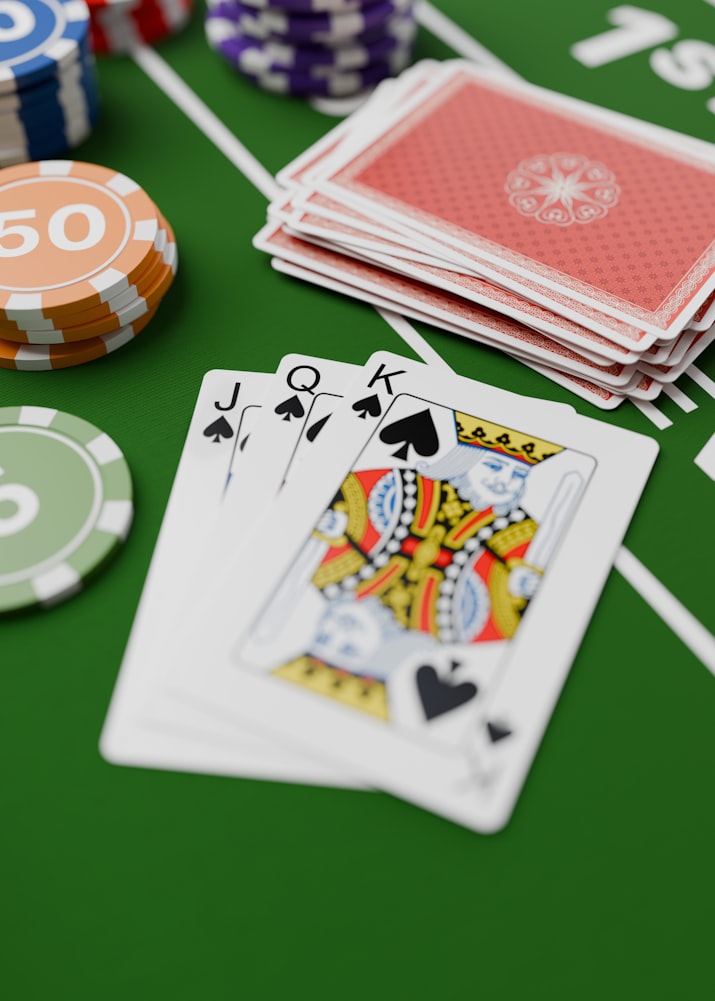
Exploring Online Gaming and Its Responsible Use
Online gaming, including casino platforms, can offer an exciting entertainment alternative; however, it is essential to approach it responsibly. Many online casinos provide features that allow players to set limits on their gambling activities, which can help mitigate the risk of developing gambling addiction. Understanding one’s gaming habits and making informed choices can lead to a more enjoyable experience without the associated risks of addiction.
Platforms like Blackpokiecasino-au.net are committed to promoting responsible gaming. They offer a diverse range of games, including slots, table games, and live dealer options, ensuring players find something that suits their preferences while encouraging self-awareness. Utilizing resources available on these platforms can aid players in maintaining healthy gambling practices.
Ultimately, enjoying online gaming should be about entertainment rather than an escape from reality. Setting time limits, recognizing warning signs, and being aware of one’s emotional state while playing are all critical components of responsible gaming. By fostering a healthy relationship with online gaming, individuals can enjoy the excitement without falling into the pitfalls of gambling addiction.